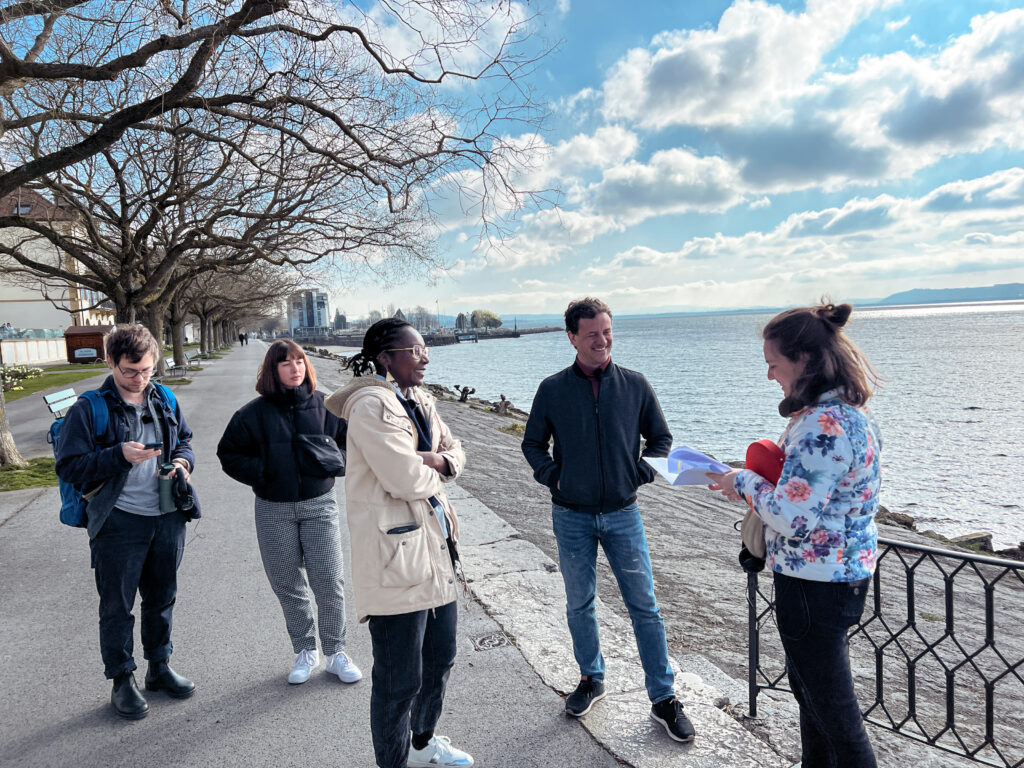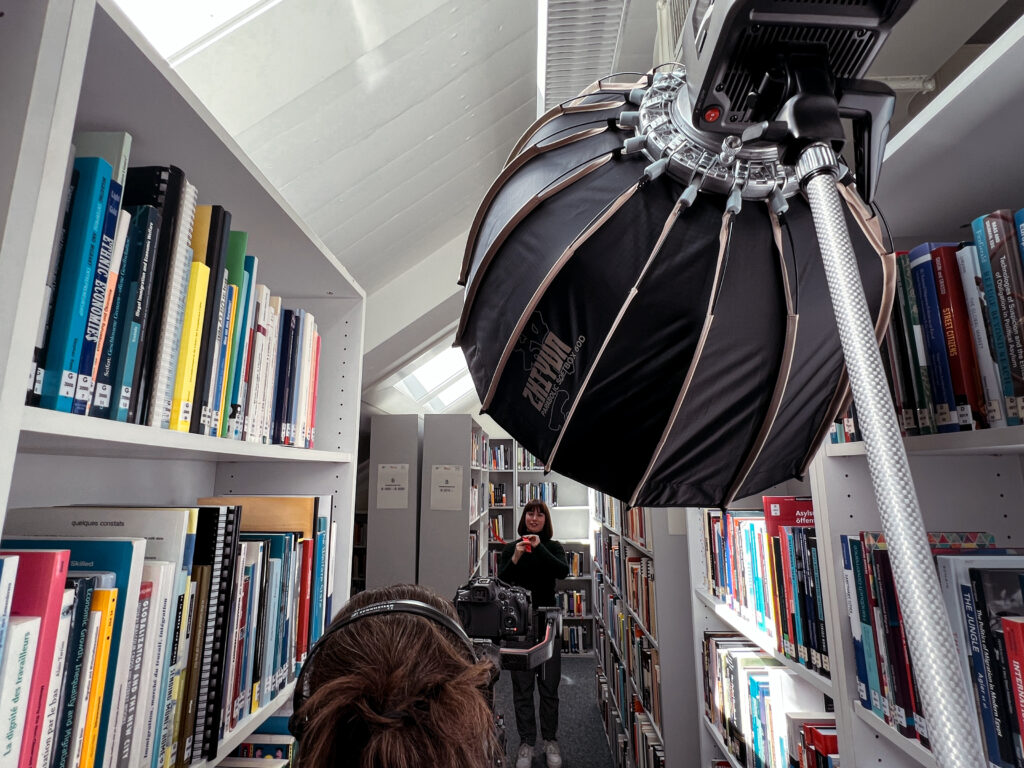
How do you condense twelve years of research into roughly 10 minutes? This was the challenge we decided to take on when applying to the tender published by the nccr – on the move, the National Centre of Competence in Research for Migration and Mobility, at the University of Neuchâtel.
The initial brief was to create two documentary-style 5-minute episodes with a mix of portraits and action scenes, using footage recorded at their events. The video had to feature members of the NCCR, showcasing the motivations, roles and diversity within the network, through personal stories and experiences.
We scribbled and brainstormed and came up with an idea that convinced the NCCR Network Office to entrust us to tell their story. We envisioned to demystify and personalise the NCCR’s work for a broader audience and started working on how to make people understand the value and social implications of what the nccr – on the move had been researching.
The first discussion with the NCCR Network Office team helped us shift the project towards a series of short topic-led videos, in addition to an introductory video which would explain what the NCCR was and did. Having narrowed the target audience from broad to teenagers at the end of their secondary education, we imagined the researches to be presented in 90-seconds vertical videos primarily for social media.
The NCCR Network Office took the lead in selecting the most relevant projects that would build a broader picture of the many projects carried out in the past twelve years. In parallel, we prepared a script template that would allow us to keep a consistent structure throughout the series, focusing on bringing key points across in a simple and direct manner. We love when science is understandable.
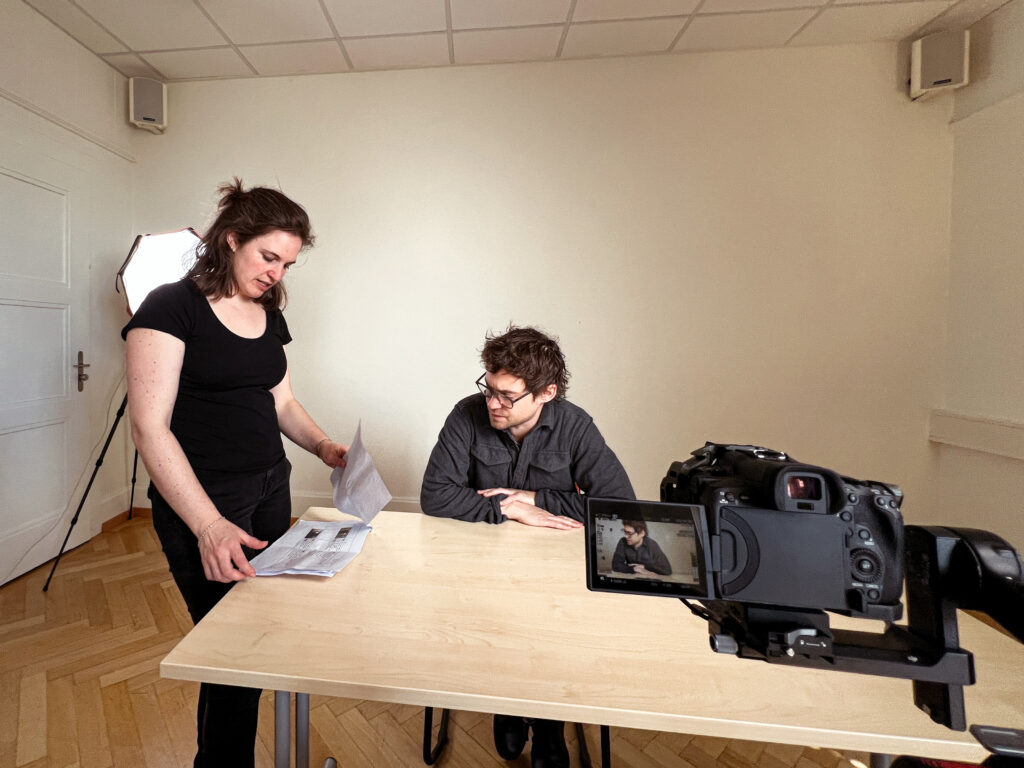
But a script structure isn’t enough to get to a clear and successful video. The vocabulary is an essential success factor in science outreach. As we approached the topic with little to no experience in social sciences, economics and law, we were the perfect guinea pigs to read the script content provided by the NCCR Network Office and distill its essence into simple yet precise words. Working in close contact with the researchers allowed us to suggest different versions of the same sentence to find out which was the most accurate way to explain a concept.
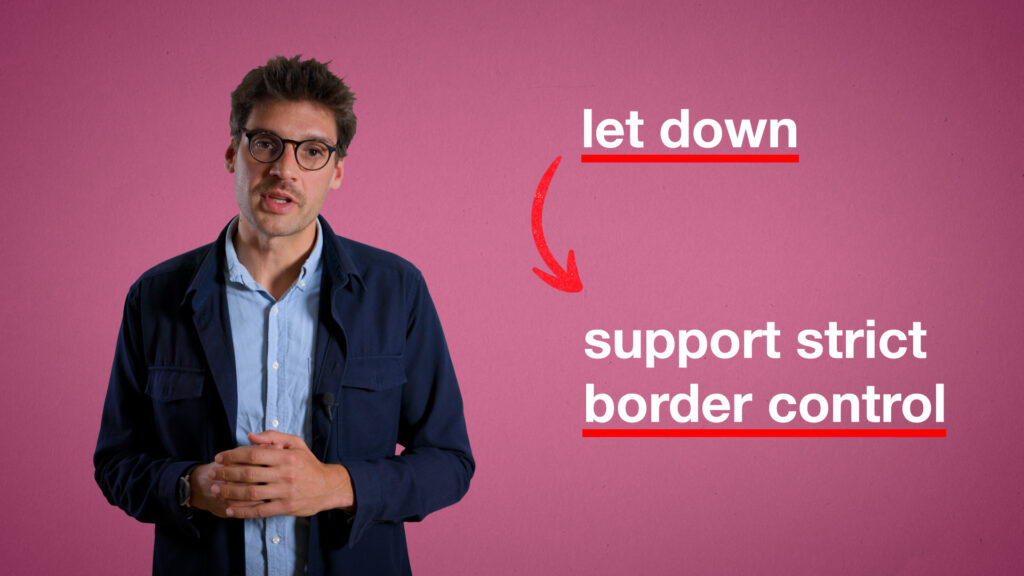
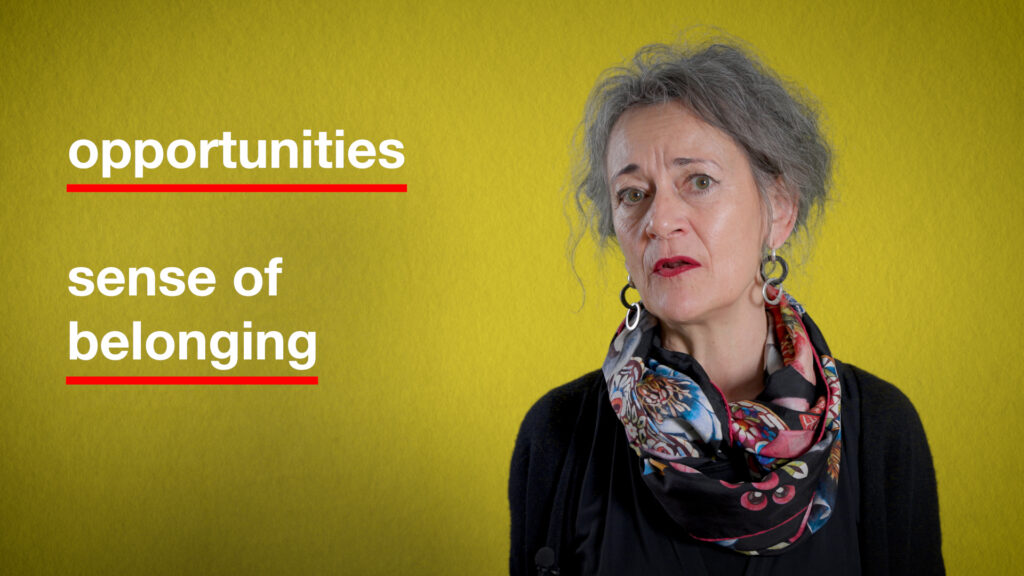
In line with our goal of keeping things clear and simple, we worked on a visual language that would support abstract concepts related to migration and mobility, without falling into stereotypes. We worked with the nccr – on the move’s colour palette to have the videos fit in with the rest of their content. We questioned every image and every keyword we’d include in the edit, to make sure they were the right ones.
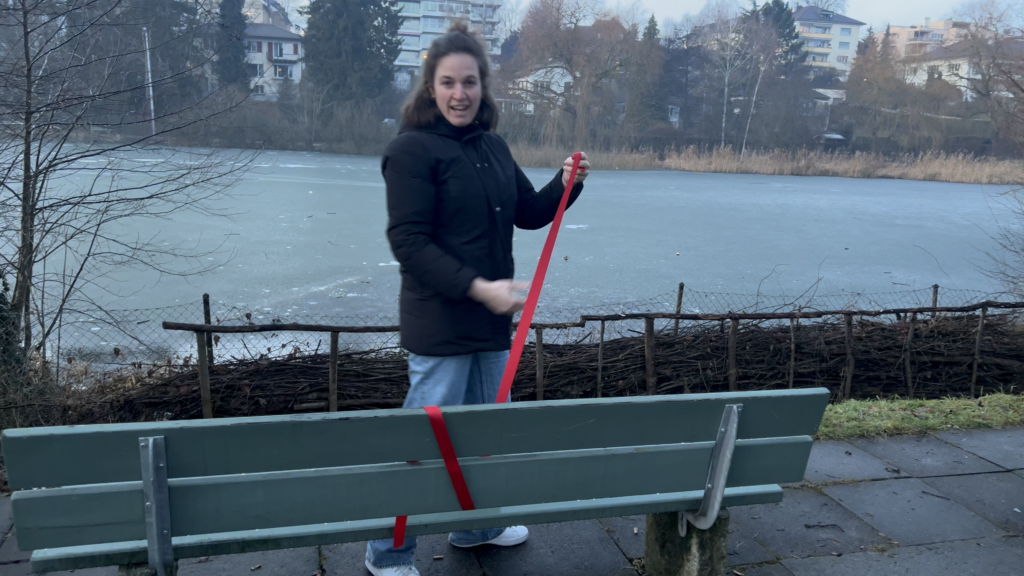
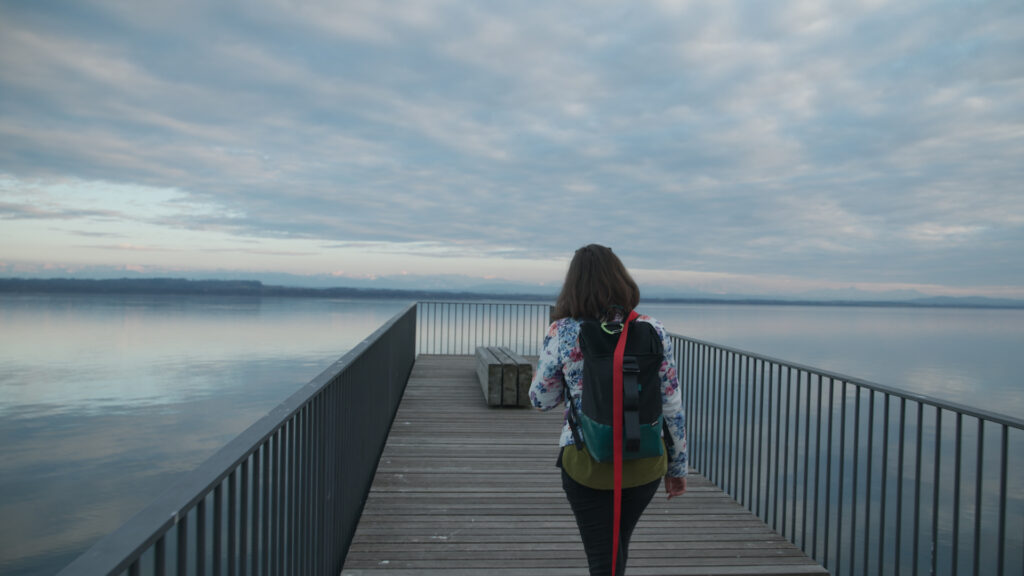
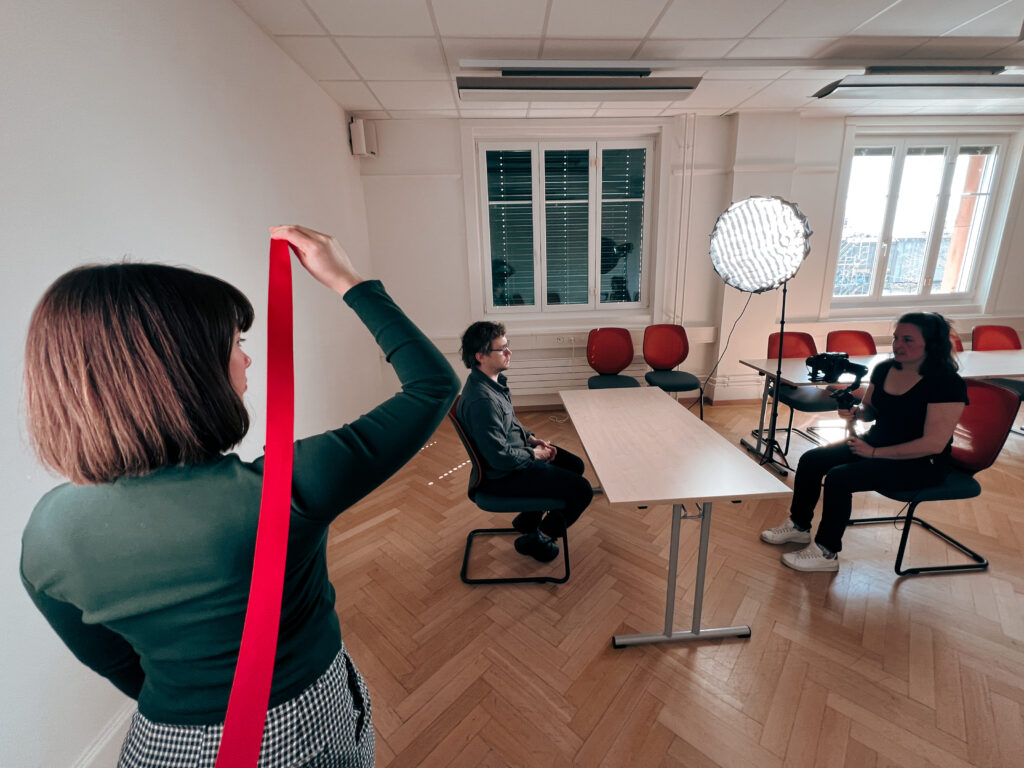
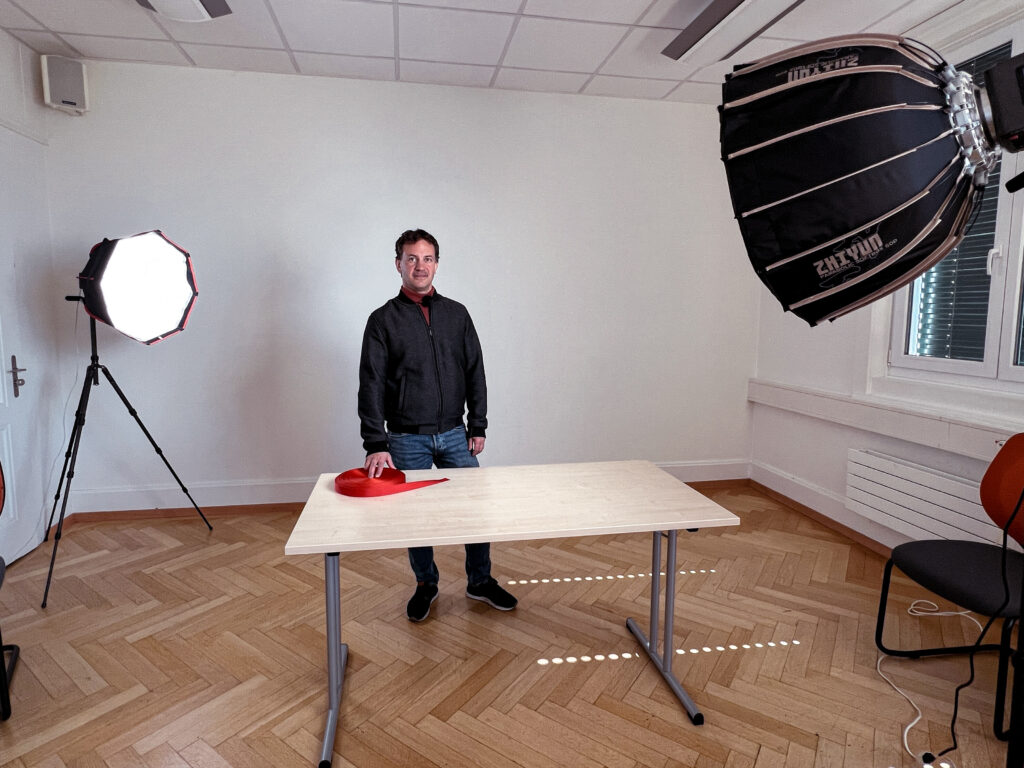
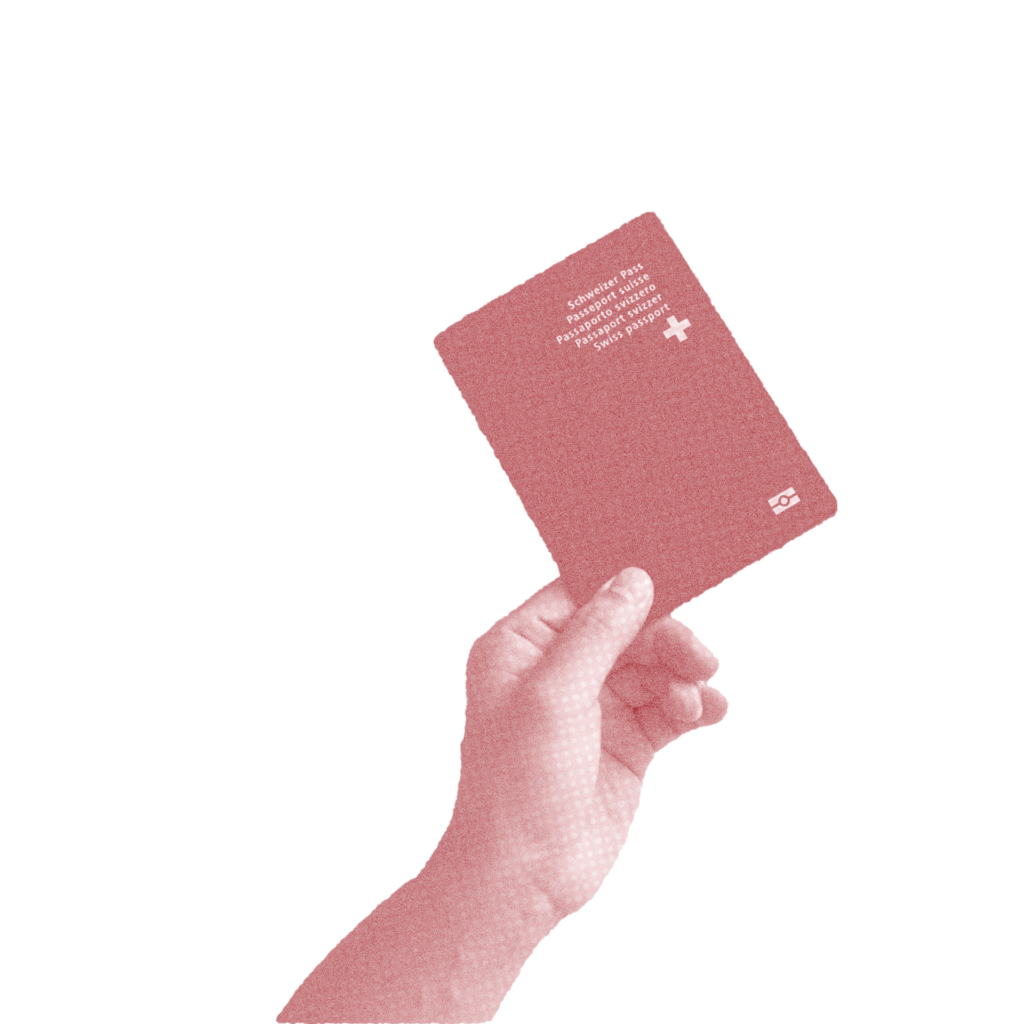
In the introductory video we used a red ribbon that would cross all the shots as a fil rouge to tie them together for a bigger story, just like the NCCR’s works spanned across many research fields, touching on different aspects of daily life in relation to migration and mobility. For the six topic videos we created an ad hoc texture to be applied to simple pictures, building a recognisable visual identity for the series. We underlined the keywords with a think red line that would reference the ribbon in the first video – and the NCCR’s logo itself.

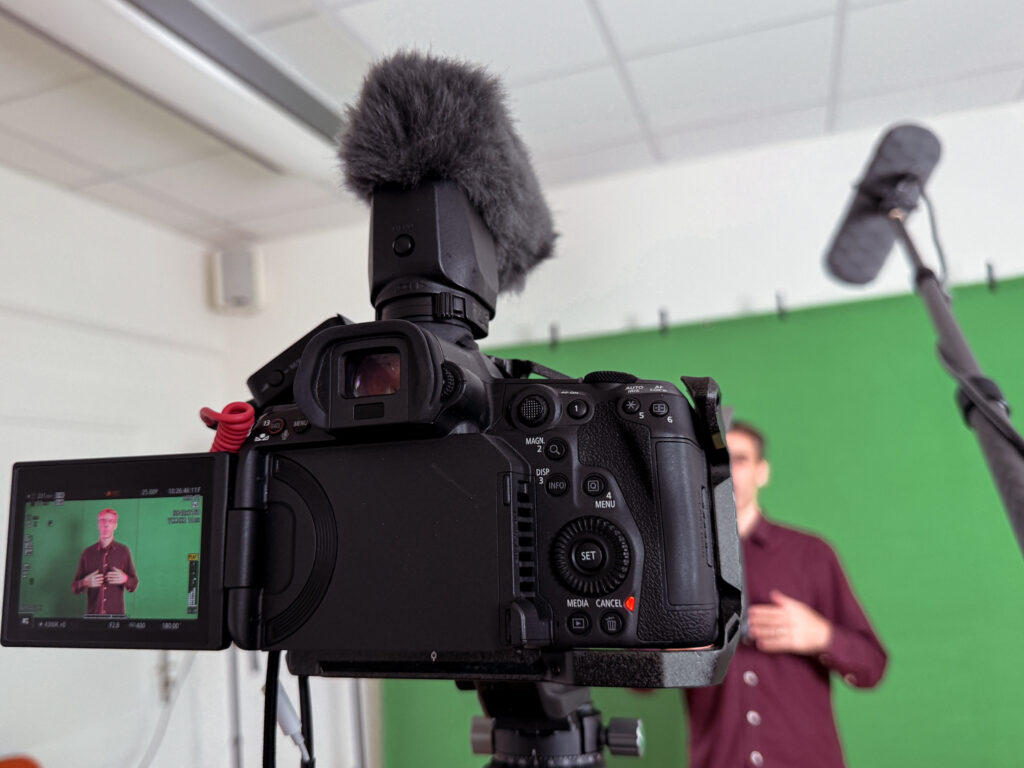
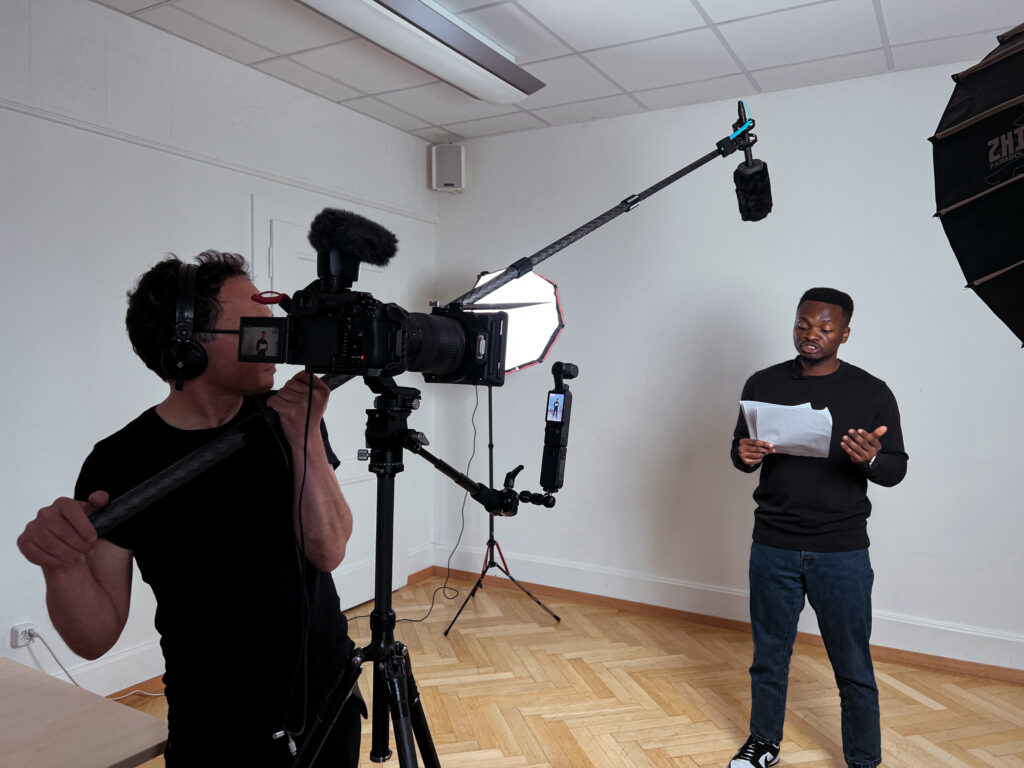
Once the video scripts were approved, we set up a small studio at the University of Neuchâtel, and had the pleasure to meet in person the researchers whom we’d been in contact with during the writing phase. Standing in front of a camera is no easy task, been there done that, so we made sure everyone felt comfortable, doing several takes of the same sentence until the researchers got into the flow, and delivered their lines with confidence.
Because of the complexity behind the NCCR’s researches, we had to extend the 90-seconds timeframe we had initially imagined for the videos, and reverted to horizontal to be able to include detailed maps and supporting imagery.
The result is on their youtube channel to see, as well as on our own. The legacy of this project for us? A 70 metre long spool of nccr-red ribbon and useful learnings in terms of science outreach.